
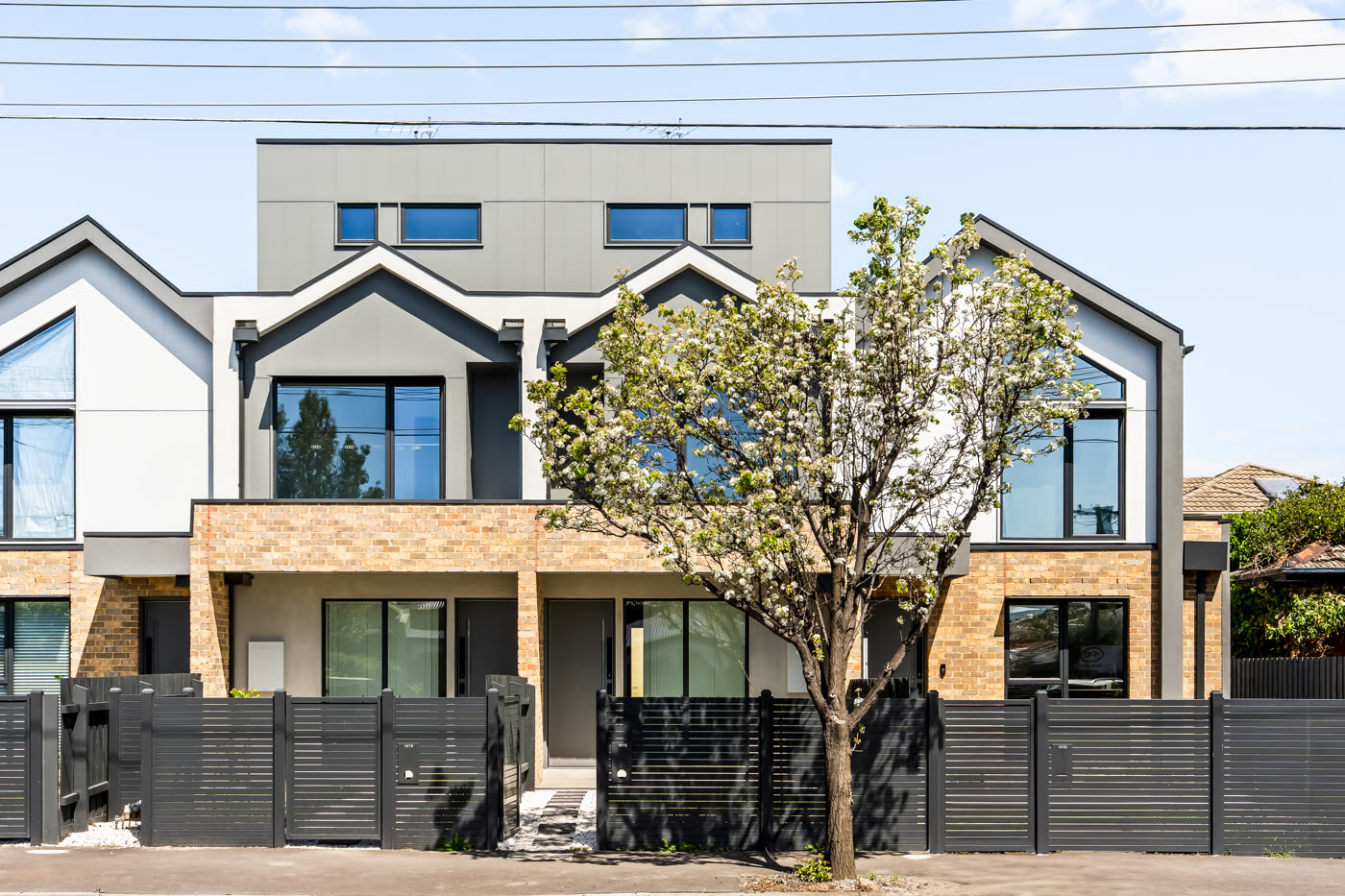
A client with vision but no site. We found the property, negotiated favourable terms, secured permits before settlement, and delivered the project from first conversation to final handover.
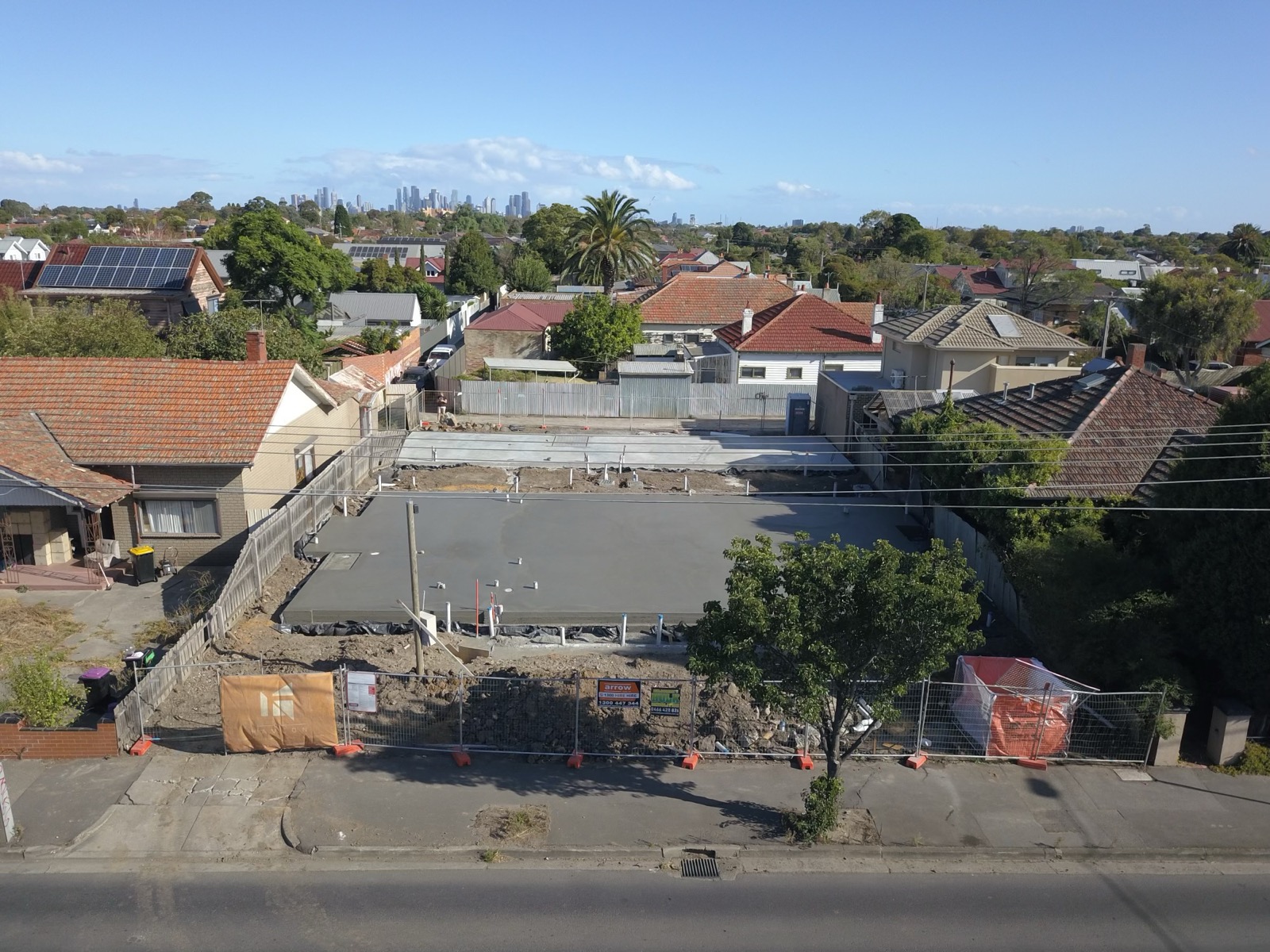
The client came to us ready to develop. They just didn't have a site yet. After understanding their goals and budget, we identified this property as the right opportunity and recommended it. Critically, we negotiated terms that actually worked in their favour: an extended settlement period that gave us enough runway to pursue permits before they'd committed a cent to construction.
From there we ran rigorous feasibility, testing four-townhouse versus three-townhouse schemes in parallel, stress-testing construction cost assumptions with live builder input. Four came back as the clear winner on profit-on-cost. The key to making it work was designing around the laneway at the rear, which allowed direct access to each dwelling individually. No shared driveways. No body corporate. That matters: buyers pay a premium to own their home outright, and we built that into the scheme from day one.
We took the permit through council, then ran a competitive tender to pre-qualified builders while the ink was still drying. By the time settlement occurred, permits were in hand and construction terms were locked. The client walked onto the site with a builder, a programme, and a fixed price, not a question mark.
The build didn't go without challenge. Covid disruptions created supply chain pressure and workforce constraints that would have derailed a lesser-managed project. We navigated each one, adjusting the programme, holding the builder accountable to contract, and keeping the client informed with one weekly update rather than a flood of noise. Handover landed on target.
 Edward Bun · Founder
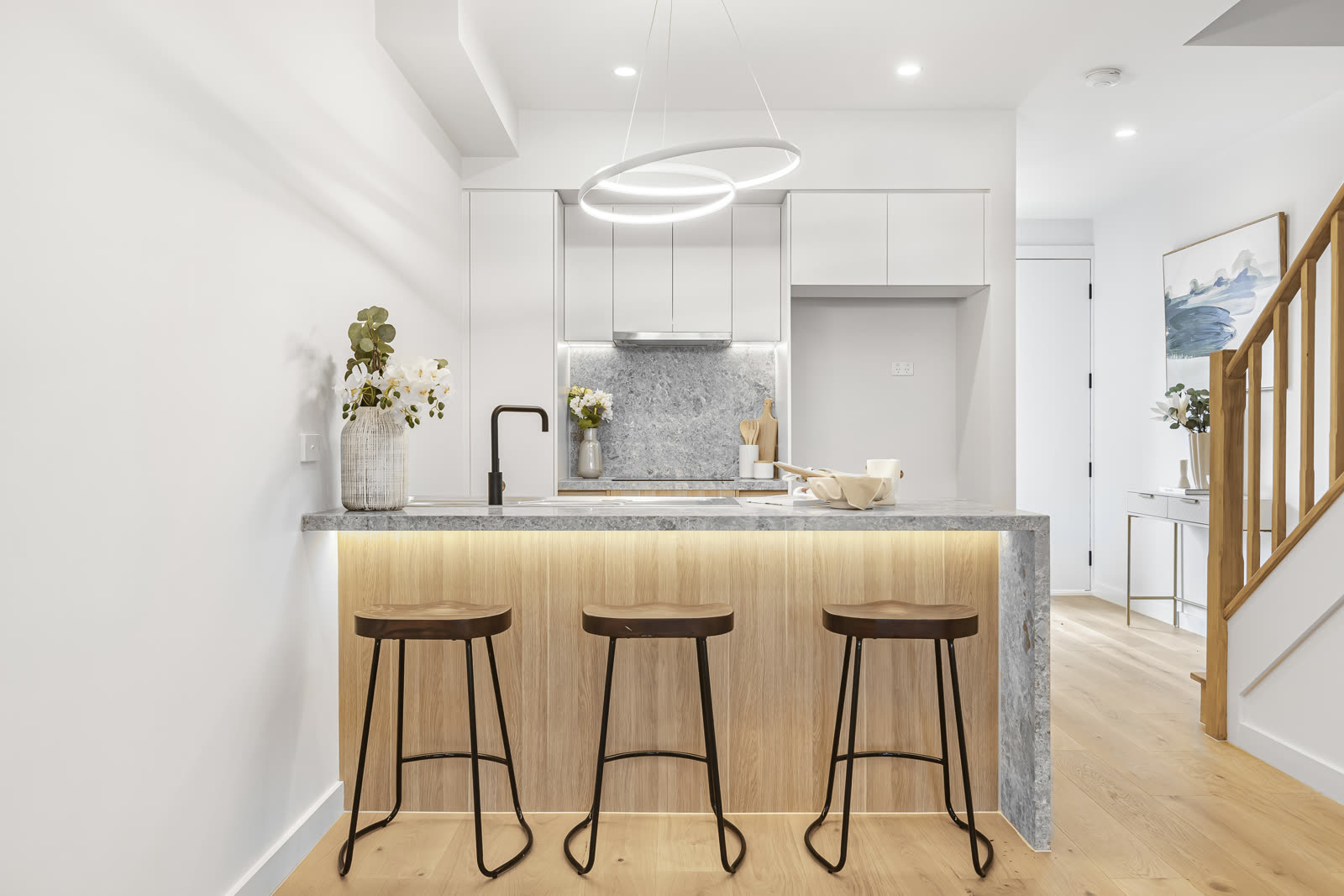
The client was shielded from every subcontractor conversation, every council back-and-forth, every variation negotiation. They received one weekly email and a fortnightly site walk. At handover they sold all four townhouses, locking in $1.28M in equity uplift against what they paid for the land.
We identified the property and recommended the client move on it. Ran rigorous scheme testing, four townhouses vs three, plus builder cost bands, before advising them to proceed. Negotiated very favourable terms including an extended settlement. Four townhouses via rear laneway returned best yield with no body corporate.
Pre-app meeting, consultant lock-in, RFI rounds. Permit issued before settlement, the client never held land without an approved scheme.
Three pre-qualified Tier-3 builders. Fixed-price contract with competitive terms, awarded 4.2% under feasibility allowance with favourable payment milestones.
Weekly site visits, fortnightly owner walk-throughs, monthly QS-certified progress claims. Covid disruptions navigated without moving handover. The client received periodic updates throughout. All four townhouses sold at a profit at handover.
We saw a rear laneway, an HCTZ zoning, and a site area that made four independent townhouses viable where others didn't. Knowing what to look for, and having the conviction to recommend it, is where the return begins.
The purchase price is only one part of the deal. An extended settlement gave us the runway to get permits issued before the client had fully committed. That term alone de-risked the entire project, and it only existed because we pushed for it at the table.
Buyers discount body corporate, especially in the middle-ring townhouse market. Designing rear laneway access from day one meant four fully independent dwellings with no shared obligations. That decision is worth more at sale than any finish upgrade you'll ever specify.
Most cost blow-outs don't happen on site, they happen in the gap between permit drawings and construction drawings. We coordinated every consultant discipline before tender: structural, hydraulic, electrical, and finishes schedules all resolved before a builder priced the job. That coordination is what turns a fixed-price contract into an actual fixed price.
Supply disruptions, workforce constraints, material lead times, all of it hit this project. None of it moved the handover date. Active programme management means re-sequencing works before delays compound, not reporting them after. The client received periodic updates throughout and was never left in the dark.
Fifteen minutes north of the CBD on the Upfield line. Median three-bed townhouse cleared $1.12M through 2024. School catchment, walkable village strip, and a planning scheme that still rewards medium-density done well.
3-bed townhouse, 2024 full-year median per CoreLogic.
Down from 41 in 2023. Stock is thin, demand is steady.
Direct to Melbourne Central via the Upfield line, 6-min walk to platform.
Government primary in zone, secondary options across Coburg and Brunswick.
If you have a block that might do more, send it through. You'll get a free 72-hour read on whether there's a project worth pursuing.